

Our Scientific Approach
At Alector, we are working relentlessly to change the course of neurodegenerative diseases.
Our goal is to remove toxic proteins, replace deficient proteins, and restore immune and nerve cell function. Our scientific approach centers on three pillars: Unlocking Genetic Pathways, Enhancing Brain Delivery, and Advancing Biomarker-Driven Discovery. Together, these strategies form the foundation for our pipeline targeting Alzheimer’s, Parkinson’s, and other neurodegenerative diseases.
Unlocking Genetic Pathways
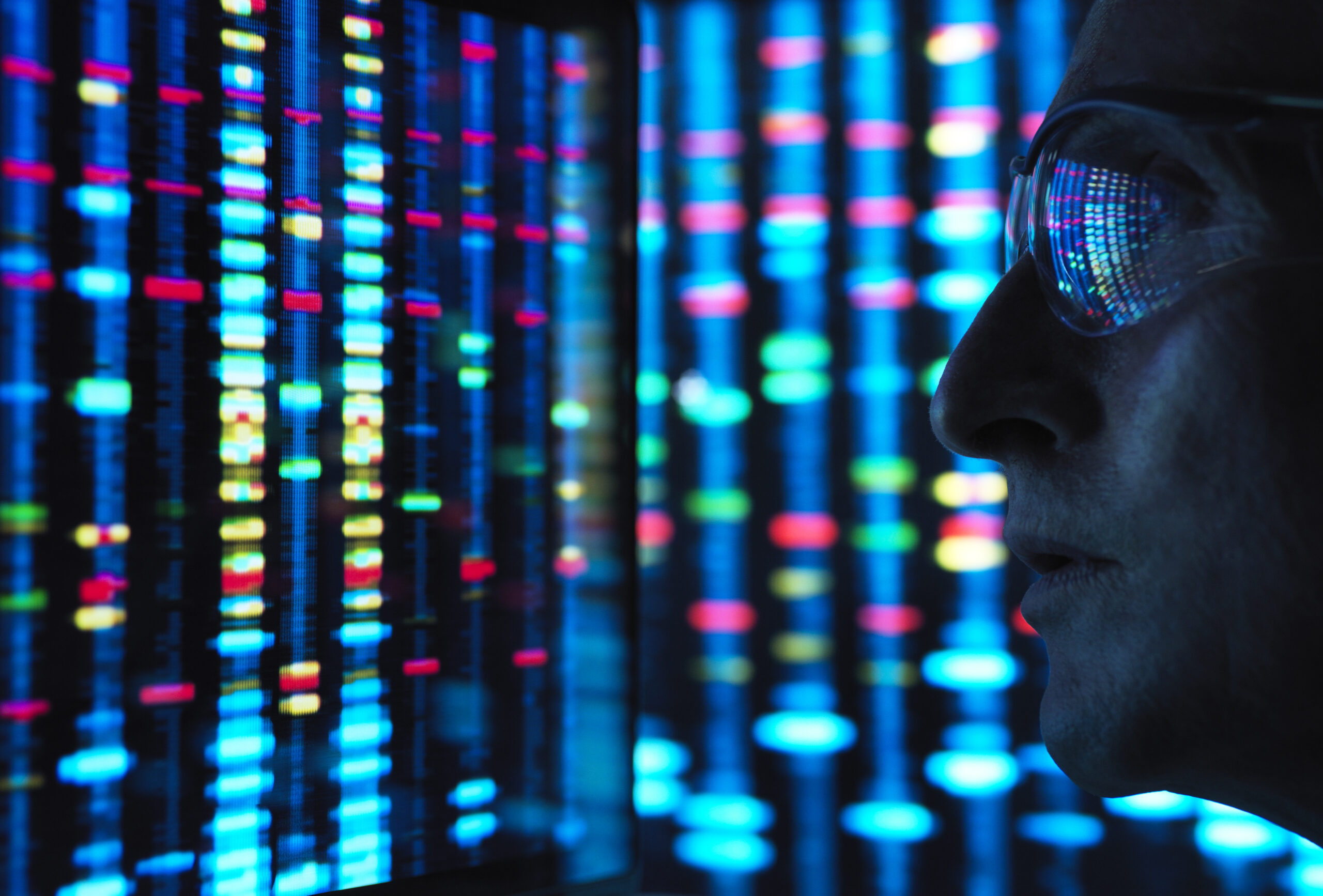
We believe that unlocking the genetic mechanisms behind neurodegenerative diseases is fundamental to developing effective therapies. Our approach begins with a deep understanding of human genetics, using data-driven insights to identify mutations and pathways that contribute to disease. By focusing on genetically validated targets, we advance approaches to counteract the underlying pathologies of neurodegeneration – not just its symptoms.
Our research integrates advanced bioinformatics and human pathology to pinpoint critical genetic risk factors that drive disease. Through state-of-the-art techniques including CRISPR activation and inhibition, proteomics, and transcriptomics, we validate these targets and engineer therapeutic molecules designed to address the damage caused by these risk genes.
Enhancing Brain Delivery
One of the greatest challenges in treating neurodegenerative diseases is delivering effective treatments across the blood-brain barrier. Our proprietary Alector Brain Carrier (ABC) technology is designed to meet this challenge. The blood-brain barrier serves as a protective mechanism for the brain, but it also restricts the delivery of many therapeutics. ABC uses receptor-mediated transcytosis to cross the barrier, targeting specific receptors on endothelial cells, with the goal of facilitating therapeutic delivery to the brain in sufficient quantities and with the potency needed for efficacy.
ABC is adaptable across multiple drug modalities – including antibodies, enzymes, and siRNA – and is designed to reduce efficacious dose levels, facilitate homogeneous drug distribution throughout the brain, enable convenient and scalable drug delivery, and potentially broaden the therapeutic window.
Imaging and Biomarker-Driven Discovery
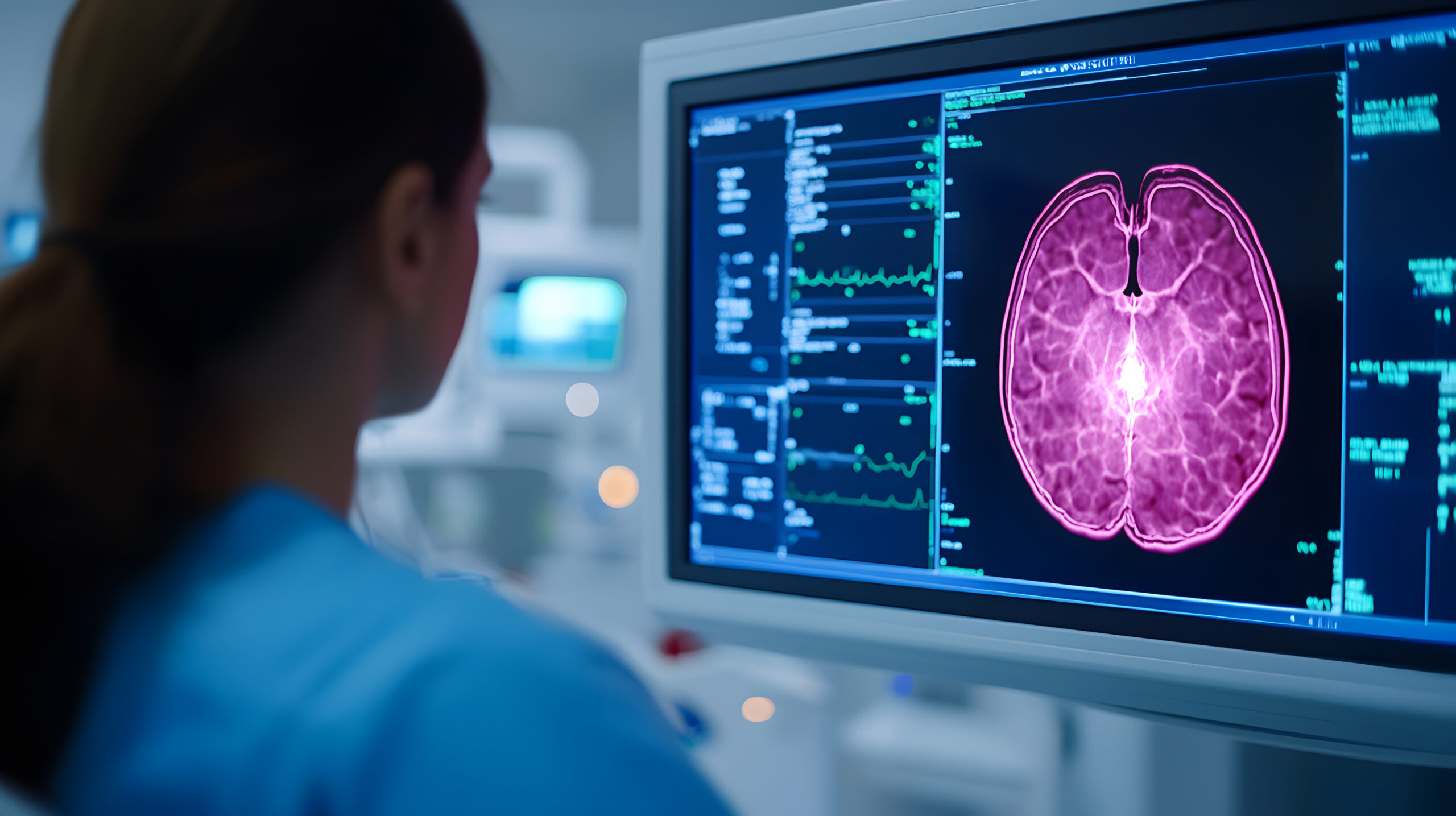
The journey to effective treatments may be accelerated using imaging tools and biomarkers — molecular indicators that help us track disease progression and therapeutic activity. Imaging and biomarker data are integral to our drug discovery and development process. By providing valuable insights into disease progression, they help us identify and validate drug targets, monitor target engagement, and assess the potential impact of our therapeutic candidates on human health.
By integrating imaging and biomarker data early in our research and clinical development, we can select and prioritize programs with strong scientific rationale, make more informed decisions, and build a preclinical and clinical pipeline with the highest probability of ultimately benefiting patients.